About carnassial
Carnassial LLC was founded on the belief that effective conservation begins with sound science. We are a wildlife science, conservation, and outreach organization focused on advancing ecological understanding and applying that knowledge to real-world challenges facing wildlife, habitats, and the people who manage them. Our work is rooted in the idea that conservation is most effective when research, management, and implementation inform one another. We draw on expertise in mammal ecology, landscape connectivity, transportation ecology, remote sensing, geospatial analysis, and conservation planning to better understand how wildlife responds to an increasingly dynamic world.
From endangered species recovery and population monitoring to human-wildlife interactions and large-scale connectivity initiatives, our work spans questions that are both scientifically important and practically relevant. Whether examining how species move through fragmented landscapes, evaluating the effectiveness of conservation actions, or generating new ecological insights, we strive to produce science that is rigorous, transparent, and useful.
Collaboration is central to how we work. We partner with agencies, universities, conservation organizations, research foundations, and private-sector partners to address complex ecological challenges and translate scientific findings into meaningful conservation outcomes.
At Carnassial, our mission is to advance wildlife conservation through credible science, thoughtful collaboration, and a commitment to ensuring that knowledge leads to action.
Staff
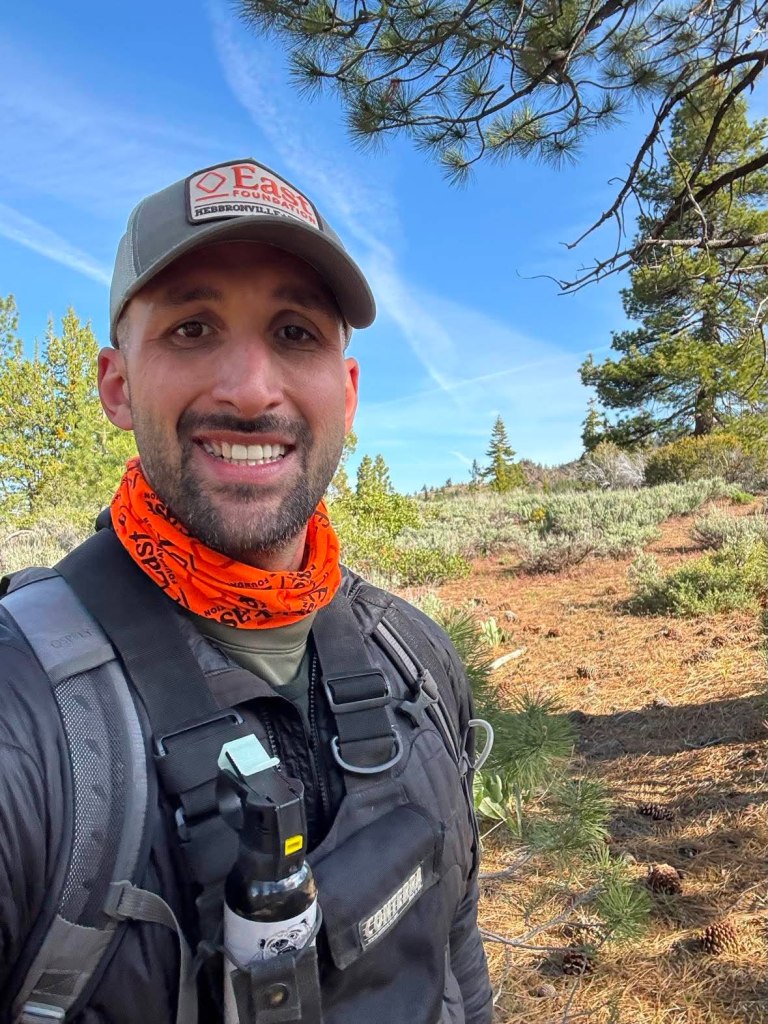
Jason V. Lombardi, Ph.D.
Chief Conservation Scientist, Founder
Dr. Jason Lombardi is an applied wildlife ecologist, conservation scientist, and founder of Carnassial LLC. His work lies at the intersection of field ecology, spatial analysis & remote sensing, and applied conservation, with a focus on advancing the science, management and conservation of mammals including carnivores and other species of conservation concern . His research spans wildlife communities, habitat connectivity, and species responses to natural and human-caused disturbance across working lands, transportation networks, wildlife crossing efforts, and other interconnected landscapes. Through collaborative projects across North America, he develops science-based approaches to species recovery, connectivity conservation, private lands stewardship, and human-wildlife coexistence.
Dr. Lombardi’s research draws from landscape ecology, spatial ecology, mammalian population ecology, and remote sensing to better understand species demography, habitat relationships, intra- and interspecific interactions, and responses to environmental and anthropogenic change. He is particularly interested in how different datasets, study designs, and analytical approaches can be used to address ecological questions across a range of spatial and temporal scales.
Dr. Lombardi has collaborated with federal, state, non-governmental, and academic partners to develop study designs, analytical frameworks, monitoring programs, and conservation strategies for complex wildlife management and conservation challenges. He currently serves as the North America Regional Coordinator the the IUCN SSC Small Carnivore Specialist Group; a red list assessor for the Cat Specialist Group, member of the Federal Ocelot Recovery Team, and a subject matter expert on regional, national, and international working groups , contributing scientific expertise to conservation planning, research initiatives, and recovery efforts.
In addition to his research, Dr. Lombardi is committed to mentorship and collaboration within the conservation community. He works with students, early-career scientists, and interdisciplinary partners to support professional development, strengthen research capacity, and build collaborative networks that advance both conservation science and its application.

